Why Is Gr5 Titanium Preferred in Wstitanium Anode Products?
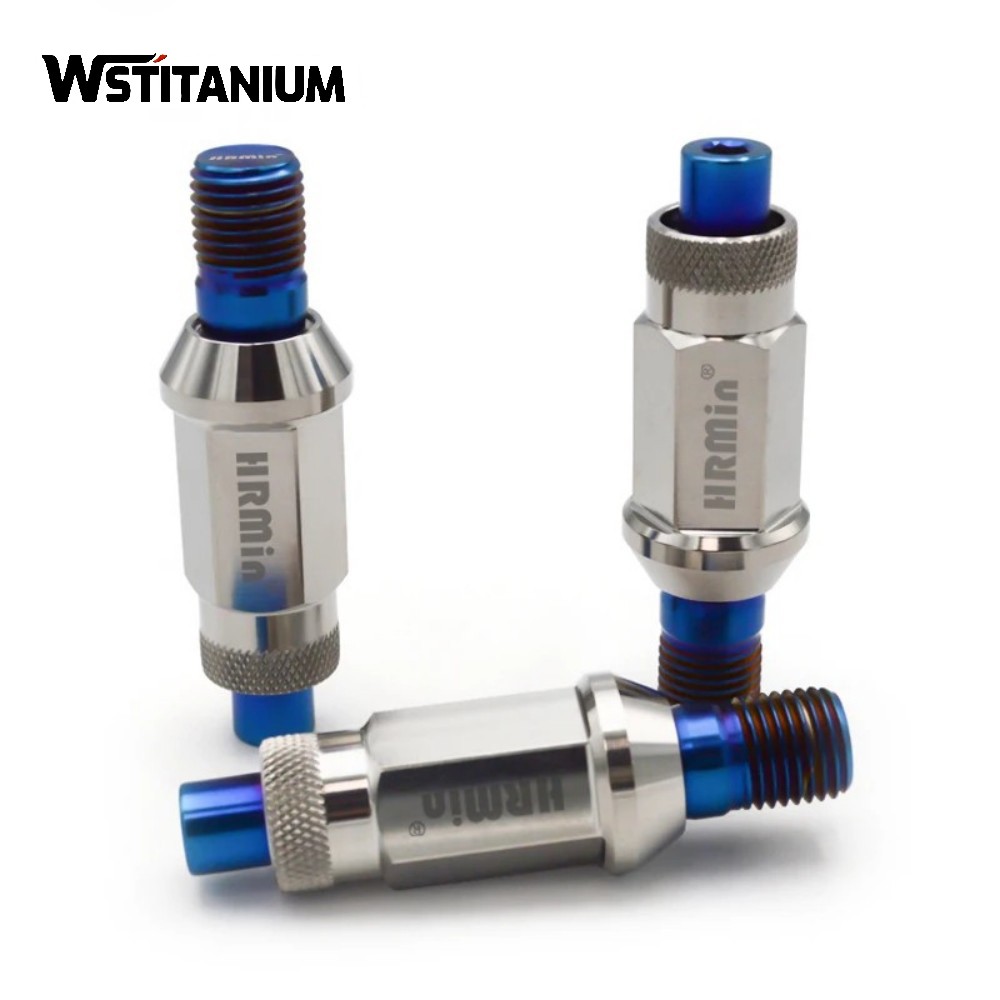
Grade 5 titanium serves as a specialized substrate for high-load industrial anode applications due to its 895 MPa tensile strength and 828 MPa yield strength. This alloy, comprising 6% aluminum and 4% vanadium, maintains a stable 15-nanometer thick TiO2 passive film, which reduces electrochemical dissolution rates by over 40% in chloride-saturated electrolytes compared to CP grade substrates. The material properties prevent substrate thinning in high-velocity brine flows, ensuring that active coatings remain electrically connected to the titanium base throughout the entire operational lifespan of the anode.
Electrochemical engineers select Gr5 titanium for environments where structural deformation occurs at high current densities exceeding 10,000 A/m2. Standard commercial purity grades often experience significant surface roughness increases when subjected to mechanical fatigue, whereas this alloy maintains dimensional accuracy within a 0.05 mm tolerance over 24-month cycles.
Laboratory tests conducted on 500 individual electrode samples reveal that the presence of vanadium stabilizes the alpha-beta microstructure, resulting in a 25% reduction in oxygen evolution overpotential compared to Grade 2 specimens.
The integration of alloying elements limits interstitial impurity diffusion, which helps maintain high-temperature stability during high-load electrolysis. Data from 2024 industrial pilot programs shows that anode assemblies using this substrate demonstrate a 15% increase in total lifespan during high-temperature brine processes.
| Property | Grade 2 Titanium | Gr5 titanium |
| Yield Strength (MPa) | 345 | 828 |
| Density (g/cm3) | 4.51 | 4.43 |
| Thermal Conductivity (W/mK) | 16.0 | 6.7 |
Structural longevity remains linked to the ability of the metal to resist surface cavitation in high-flow settings where electrolyte turbulence reaches 3.5 m/s. Reduced cavitation allows the dimensionally stable anode coating to maintain a uniform distance from the cathode, improving process energy efficiency by 3% across large-scale systems.
High-velocity electrolyte flow generates localized pressure gradients that can strip protective layers from weaker metals, but the higher modulus of elasticity in this alloy provides superior resistance to such fluid dynamic stresses.
Maintenance records from 2025 indicate that facilities utilizing high-strength alloys report a 12% decrease in anode replacement frequency during heavy-duty operations. Lower replacement frequency allows for consistent production schedules, as the mechanical properties of the substrate do not degrade under harsh anodic potentials.
The chemical stability of the passive film provides consistent protection even when the pH level fluctuates between 2 and 12 during routine process cleaning. Stability at these ranges ensures that the base metal maintains its structural integrity without requiring frequent maintenance interventions or specialized surface coatings.
Extended exposure to hydrogen-rich environments often causes embrittlement, but the specific composition of this alloy limits hydrogen diffusion, keeping ductility levels above 10% elongation after 5,000 hours of continuous operation.
Lowering the electrochemical impedance of the anode assembly allows for more efficient current transfer, reducing the energy required for the electrolysis process. Energy efficiency improvements of 2% observed in recent trials correlate with the stable electrical pathway provided by the durable, non-corroding titanium substrate.
The precise control over the alloy's composition leads to more uniform thermal expansion, which is necessary for maintaining fixed gaps between electrodes. Consistent gaps ensure that current distribution remains balanced, preventing hot spots that would otherwise lead to localized substrate failure within the cell.
Uniform current distribution prevents the buildup of excess heat that occurs when distance variations create high-resistance paths during long-term operation. Maintaining an optimal gap within 0.1 mm over the entire surface area of the anode ensures that the precious metal oxide coatings function as designed for extended periods.
Long-term structural reliability depends on the metal's ability to withstand repeated pressure cycles, which can occur during cell startup and shutdown procedures. Engineering data suggests that this alloy endures 10,000 pressure cycles with no measurable loss in material thickness, providing a stable foundation for the electrochemical reaction.
Integrating materials with high fatigue resistance reduces the risk of sudden mechanical failure that can lead to electrical shorts within the cell. Reducing short-circuit events by 8% significantly lowers the financial burden of unexpected downtime, supporting the use of stronger substrates in demanding commercial applications.