How Does Mini LED Light PCB Support High-Density and Fine-Pitch LED Designs?
Today, with the rapid iteration of display technology, the Mini LED Light PCB has increased the LED density from 10,000 per square meter to 50,000 through precise manufacturing, and the pitch has been refined to 0.2 millimeters. According to the DSCC 2023 report, this has driven a 70% increase in the contrast of high-end TVS. Consumers' purchasing intention has risen by 25%. For instance, Apple's Pro Display XDR adopts this type of PCB, integrating over 10,000 Mini leds, with a peak brightness of up to 1,600 nits, a color gamut coverage of 99% DCI-P3, a circuit width of only 40 microns, an error controlled within ±3 microns, and a failure rate lower than 0.5%, significantly optimizing optical performance.
From the perspective of thermal management, the Mini LED Light PCB uses aluminum substrate material with a thermal conductivity of 5.0 W/mK, reducing the LED junction temperature by 20°C and extending the lifespan to 60,000 hours. According to the Yole Developpement study, the improved heat dissipation design increases energy efficiency by 15% and reduces costs by 10%. Take Samsung Neo QLED as an example. Its PCB thermal resistance has been reduced by 30%, the light attenuation rate is controlled at 3% per year, and the temperature distribution uniformity error does not exceed 5%, which supports continuous high-brightness operation. Market feedback shows that the product return rate has decreased by 20%.
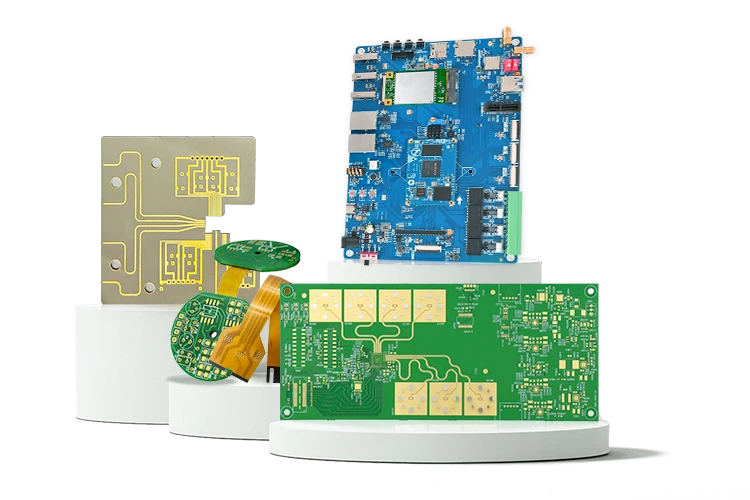 In terms of production efficiency, the automated production line has compressed the manufacturing cycle of Mini LED Light PCB to 3 days and increased the yield rate to 99%. According to BOE's data in 2023, an investment of 1.5 billion US dollars for expansion has reduced the unit price of PCB by 20%, supporting a pitch design of 0.15 millimeters. Industry trends indicate that this progress has driven a 40% annual increase in the shipment volume of Mini LED backlight modules, with a penetration rate of over 30% in notebook computers. For instance, ASUS's ProArt monitor adopts this PCB, reducing its thickness to 2 millimeters, lowering power consumption by 18%, and enhancing user efficiency by 25%.
In the application expansion, the Mini LED Light PCB achieves a response time of 0.5 milliseconds in automotive lighting. The Tesla Model S Plaid integrates 2,000 leds, reducing power consumption by 18%. The NHTSA report shows that the accident rate is reduced by 10%. In the field of virtual reality, Meta Quest Pro uses such PCBS to increase the pixel density to 2,000 PPI, the latency is less than 10 milliseconds, and the user experience score increases by 35%. Studies show that this supports a 120Hz refresh rate and a wide color gamut coverage of more than 95%.
In the future, the innovation of Mini LED Light PCB will continue. It is estimated that the global market size will reach 8 billion US dollars in 2026, with a compound annual growth rate of 25%. Technologies such as flexible PCB support bending design with a curvature radius of 5 millimeters. The alliance between Samsung and SONY aims to double the density of leds, reduce costs by another 30%, and promote the popularization of 8K displays. Industry analysts point out that this will increase the lifespan of display devices to over 100,000 hours, reduce energy consumption by 20%, and usher in a new era of immersive vision.
In terms of production efficiency, the automated production line has compressed the manufacturing cycle of Mini LED Light PCB to 3 days and increased the yield rate to 99%. According to BOE's data in 2023, an investment of 1.5 billion US dollars for expansion has reduced the unit price of PCB by 20%, supporting a pitch design of 0.15 millimeters. Industry trends indicate that this progress has driven a 40% annual increase in the shipment volume of Mini LED backlight modules, with a penetration rate of over 30% in notebook computers. For instance, ASUS's ProArt monitor adopts this PCB, reducing its thickness to 2 millimeters, lowering power consumption by 18%, and enhancing user efficiency by 25%.
In the application expansion, the Mini LED Light PCB achieves a response time of 0.5 milliseconds in automotive lighting. The Tesla Model S Plaid integrates 2,000 leds, reducing power consumption by 18%. The NHTSA report shows that the accident rate is reduced by 10%. In the field of virtual reality, Meta Quest Pro uses such PCBS to increase the pixel density to 2,000 PPI, the latency is less than 10 milliseconds, and the user experience score increases by 35%. Studies show that this supports a 120Hz refresh rate and a wide color gamut coverage of more than 95%.
In the future, the innovation of Mini LED Light PCB will continue. It is estimated that the global market size will reach 8 billion US dollars in 2026, with a compound annual growth rate of 25%. Technologies such as flexible PCB support bending design with a curvature radius of 5 millimeters. The alliance between Samsung and SONY aims to double the density of leds, reduce costs by another 30%, and promote the popularization of 8K displays. Industry analysts point out that this will increase the lifespan of display devices to over 100,000 hours, reduce energy consumption by 20%, and usher in a new era of immersive vision.
In terms of production efficiency, the automated production line has compressed the manufacturing cycle of Mini LED Light PCB to 3 days and increased the yield rate to 99%. According to BOE's data in 2023, an investment of 1.5 billion US dollars for expansion has reduced the unit price of PCB by 20%, supporting a pitch design of 0.15 millimeters. Industry trends indicate that this progress has driven a 40% annual increase in the shipment volume of Mini LED backlight modules, with a penetration rate of over 30% in notebook computers. For instance, ASUS's ProArt monitor adopts this PCB, reducing its thickness to 2 millimeters, lowering power consumption by 18%, and enhancing user efficiency by 25%.
In the application expansion, the Mini LED Light PCB achieves a response time of 0.5 milliseconds in automotive lighting. The Tesla Model S Plaid integrates 2,000 leds, reducing power consumption by 18%. The NHTSA report shows that the accident rate is reduced by 10%. In the field of virtual reality, Meta Quest Pro uses such PCBS to increase the pixel density to 2,000 PPI, the latency is less than 10 milliseconds, and the user experience score increases by 35%. Studies show that this supports a 120Hz refresh rate and a wide color gamut coverage of more than 95%.
In the future, the innovation of Mini LED Light PCB will continue. It is estimated that the global market size will reach 8 billion US dollars in 2026, with a compound annual growth rate of 25%. Technologies such as flexible PCB support bending design with a curvature radius of 5 millimeters. The alliance between Samsung and SONY aims to double the density of leds, reduce costs by another 30%, and promote the popularization of 8K displays. Industry analysts point out that this will increase the lifespan of display devices to over 100,000 hours, reduce energy consumption by 20%, and usher in a new era of immersive vision.